
How Sleep Impacts Your Body
(And Why it Matters More Than You Think)

Written by Natalie Brooks

Medical Review by Dr. Andrew Collins, MD
Written by Natalie Brooks
Reviewed by Dr. Andrew Collins, MD

Most people think sleep is just “resting with your eyes closed.” But it’s much more than that. Sleep is a vital biological process that keeps your body running smoothly—from regulating metabolism and hormones to recovering muscles and immunity.
What Happens in Your Body When You Sleep
Sleep isn’t totally passive. While you’re unconscious, your body takes care of essential work like repairing tissues, balancing hormones, strengthening immunity, and organizing your memories. Let’s take a look at everything your body handles while you’re sleeping.
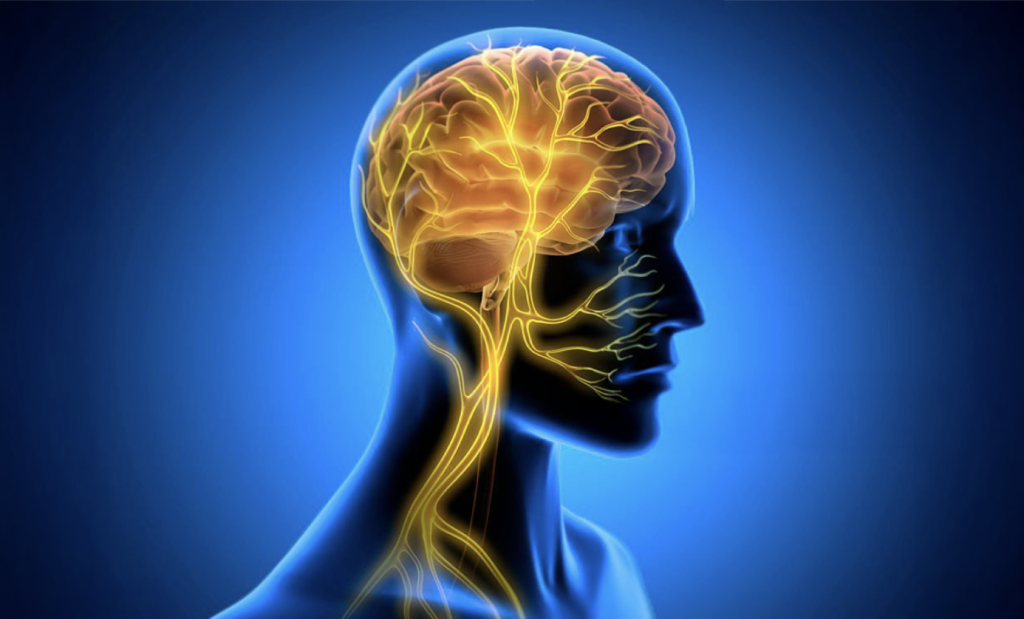
Brain & Nervous System
- Helps process memories and learnings from the day
- Supports emotional regulation, helping you stay calm and focused the next day
- Helps process memories and learnings from the day
- Supports emotional regulation, helping you stay calm and focused the next day
Researchers find up to 50% decrease in memory and focus from sleep loss
Chronic sleep loss harms memory, focus and mood. Adolescents and young adults show up to 25-30% lower cognitive performance and 50% worse mood, while older adults accumulate harmful brain proteins 30-50% faster, raising the risk of developing dementia.
The Numbers at a Glance:
- Memory declined by up to 50%: Sleep deprivation weakens memory encoding, consolidation and retrieval
- Working memory drops 30-40%: Teens and young adults show attention lapses and reduced cognitive flexibility
- Problem-solving slowed 25-35%: Executive functions, including planning and reasoning, are impaired
- Up to 2x increase in false memories: Misattributions and memory errors become more likely
- Brain “cleanup” drops 30-50%: Less sleep slows the brain’s ability to clear harmful proteins like amyloid-β, which can build up and affect memory over time
- Emotional regulation worsens 40-50%: Reactivity to negative stimuli rises, while top-down control from the brain’s prefrontal cortex decreases
Want to read more? Keep reading here!
What is amyloid-β?
A protein that can build up in the brain and contribute to memory problems over time.
What does the prefrontal cortex do?
Located in the front of the brain, the PFC is responsible for thinking, planning, attention and emotional regulation.
What is amyloid-β?
A protein that can build up in the brain and contribute to memory problems over time.
What does the prefrontal cortex do?
Located in the front of the brain, the PFC is responsible for thinking, planning, attention and emotional regulation.

Metabolism & Hormones
- Influences appetite hormones leptin (signals fullness) and ghrelin (signals hunger)
- Poor sleep can disrupt balance, increasing hunger and cravings
- Insufficient sleep may contribute to weight gain and metabolic imbalances
- Influences appetite hormones leptin (signals fullness) and ghrelin (signals hunger)
- Poor sleep can disrupt balance, increasing hunger and cravings
- Insufficient sleep may contribute to weight gain and metabolic imbalances
15% increase in hunger hormones just from sleeping less
Researchers found in a large population study that sleeping 5 hours vs. the recommended 8 hours resulted in disrupted hormones that regulate appetite, increasing hunger signals and feelings of fullness.
The Numbers at a Glance:
- 15.5% lower leptin: A decrease in the fullness hormone was linked to sleeping only 5 hours vs. 8 hours
- 14.9% higher ghrelin: The hunger hormone increased considerably amongst short sleepers
- BMI on the rise: Researchers found that reduced sleep was associated with higher body mass index (BMI)
- 15.5% lower leptin: A decrease in the fullness hormone was linked to sleeping only 5 hours vs. 8 hours
- 14.9% higher ghrelin: The hunger hormone increased considerably amongst short sleepers
- BMI on the rise: Researchers found that reduced sleep was associated with higher body mass index (BMI)
Interested in this study? Check it out here!

Muscles & Tissue Repair
- Vital for recovery after exercise, a growth hormone released during sleep helps repair muscles and tissues
- Muscle memory is reinforced while sleeping
- Vital for recovery after exercise, a growth hormone released during sleep helps repair muscles and tissues
- Muscle memory is reinforced while sleeping
Just one night of sleep loss can reduce muscle protein synthesis by 18%
Research has shown that sleep deprivation can directly impair the body’s ability to build and repair muscle by reducing muscle protein synthesis and shifting the body toward a more catabolic state.
The Numbers at a Glance:
- 18% decrease in muscle protein synthesis after one night of sleep deprivation
- Cortisol stress hormone levels were significantly elevated
- 10-15% decrease in testosterone among men
- 18% decrease in muscle protein synthesis after one night of sleep deprivation
- Cortisol stress hormone levels were significantly elevated
- 10-15% decrease in testosterone among men
What is catabolic?
The process where the body breaks down tissues or stored energy, such as muscle or fat, to release fuel.
What is catabolic?
The process where the body breaks down tissues or stored energy, such as muscle or fat, to release fuel.

Immune System
- Sleep forms immune “memory” and the proper functioning of disease-fighting cells
- Without enough sleep, immune response weakens and inflammation increases, risking infection
- Sleep forms immune “memory” and the proper functioning of disease-fighting cells
- Without enough sleep, immune response weakens and inflammation increases, risking infection
Less sleep leads to a 50% spike in inflammation
The Numbers at a Glance:
- 50% higher inflammatory markers: Short sleep can raise cytokines and C-reactive protein levels by up to 50%, signalling increased inflammation
- 30% reduced immune cell activity: Sleep-deprived individuals show up to 30% lower activity of natural killer cells, critical for fighting infections
- 1 night matters: Even one night of poor sleep can reduce immune defences and elevate inflammation markers
- Consistent 7-8 hours help: Sleeping the recommended 7-8 hours per night supports normal immune function and helps keep inflammation in check
Want to keep reading? See the research here!
What are cytokines?
Proteins released by immune cells that help regulate inflammation and coordinate the body’s response to infection or injury.
What is a C-reactive protein?
CRP is a protein produced by the liver that rises in the blood when there’s inflammation
or tissue damage in the body.
What are cytokines?
Proteins released by immune cells that help regulate inflammation and coordinate the body’s response to infection or injury.
What is a C-reactive protein?
CRP is a protein produced by the liver that rises in the blood when there’s inflammation
or tissue damage in the body.


Better Sleep Benefits You Can Feel Everyday
- Better focus, memory and mood
- Stronger immunity and resistance to common colds
- More efficient metabolism and hormonal balance
- Faster muscle recovery and physical restoration
- Lower inflammation and stress markers
Here's how you can support your body with better sleep:
- Consistent bedtime and wake time
- Proper wind-down with reduced screen use before bed
- Keep your bedroom cool, dark and quiet
- Avoid heavy meals and caffeine late in the day
- Associate your bed and bedroom with sleep
- Consistent bedtime and wake time
- Proper wind-down with reduced screen use before bed
- Keep your bedroom cool, dark and quiet
- Avoid heavy meals and caffeine late in the day
- Associate your bed and bedroom with sleep

Is it better to focus on sleep quality or sleep quantity?
Both matter. While total sleep time is important, deep and uninterrupted sleep is essential for physical repair, hormone balance, and nervous system recovery.
How does sleep influence mental health?
Sleep plays a critical role in emotional regulation and brain chemistry. Lack of sleep is associated with higher stress, irritability, anxiety, and difficulty concentrating.
Can improving sleep really make you feel better during the day?
Yes. Better sleep often leads to more stable energy, improved mood, sharper focus, stronger immunity, and better overall resilience to daily stress.
How long does it take to feel benefits after improving sleep?
Some benefits like improved energy and mood can appear within days. Deeper physical and hormonal improvements typically build over weeks of consistent, quality sleep.
What are some simple ways to support better sleep naturally?
Maintaining a consistent sleep schedule, limiting light exposure at night, managing stress, and creating a calm sleep environment can all help support healthier sleep patterns.
Can grounding help with sleep?
Grounding may help support better sleep by calming the nervous system and reducing nighttime stress signals. Some research suggests it can influence cortisol levels and promote a more relaxed state, which may make it easier to fall asleep and stay asleep. Many people use grounding as a gentle, natural addition to a healthy sleep routine.

At BareEarth, our mission is to pioneer the intersection of advanced technology and verified natural healing. We recognize that modern life has created a disconnect from nature, leading to health struggles like chronic inflammation, stress, and fatigue. That is why we are dedicated to sourcing and creating innovative wellness tools, ranging from grounding essentials and weighted comfort to cutting-edge light technology, that are proven by science to help the body recover. We do not just sell products; we provide a diverse ecosystem of solutions designed to mesh modern innovation with the earth’s innate ability to heal. Every item we offer is rigorously tested to ensure the highest caliber of performance, empowering you to take control of your health with scientifically grounded and natural therapies.