
How to Naturally Cool Your Body from the Inside Out
The Clinical Science That Shows You How

Written by Natalie Brooks

Medical Review by Dr. Andrew Collins, MD
Written by Natalie Brooks
Reviewed by Dr. Andrew Collins, MD

If you regularly wake up feeling hot, sweaty, and restless, you already know how severely temperature can impact your quality of rest. To achieve deep, restorative sleep, your core body temperature naturally needs to drop by one to two degrees.
When your body struggles to cool down, you spend the night tossing and turning.
Many people try to fix this by purchasing synthetic “cooling” sheets or chemical gel mattresses. While those might feel icy to the touch initially, they often trap heat over time and fail to address the root biological causes of nighttime overheating.
If you want to stop fighting the summer heat, you have to support your body’s natural thermoregulation. Here are the most effective, clinically backed ways to cool your body from the inside out.
Trigger the "Warm Bath Effect"
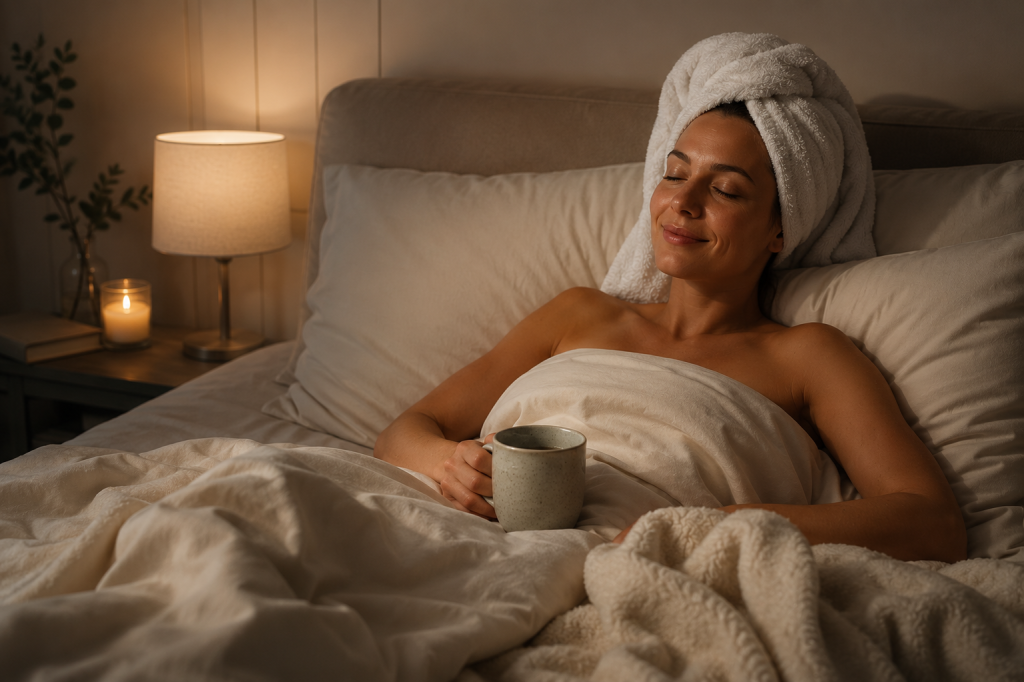
It sounds counterintuitive to take a warm shower when you are already hot, but clinical sleep science proves it works.
When you take a warm bath or shower about 60 to 90 minutes before bed, the warm water dilates the blood vessels on the surface of your skin. This pulls blood away from your core and out toward your extremities. When you step out of the warm water into a cooler room, your body rapidly sheds that heat into the air, causing a steep drop in your core body temperature.
What The Science Says:
A comprehensive 2019 meta-analysis published in Sleep Medicine Reviews analyzed thousands of patients and confirmed that a warm shower 1 to 2 hours before bed significantly accelerates core temperature drop and improves deep sleep quality.
What The Science Says:
A comprehensive 2019 meta-analysis published in Sleep Medicine Reviews analyzed thousands of patients and confirmed that a warm shower 1 to 2 hours before bed significantly accelerates core temperature drop and improves deep sleep quality.

Avoid Late-Night Metabolic Heat
Your body generates a massive amount of heat when it breaks down food, a process known as diet-induced thermogenesis.
Eating heavy meals (particularly those high in dense proteins or fats) right before bed forces your digestive system into overdrive.
Alcohol operates similarly, causing a spike in heart rate and biological heat as your liver works to metabolize it.
To keep your core temperature low, stop eating large meals and consuming alcohol at least three hours before you go to sleep.
The Melatonin-Temperature Link
What The Science Says:
What The Science Says:
Respiratory Cooling (The 65°F Rule)
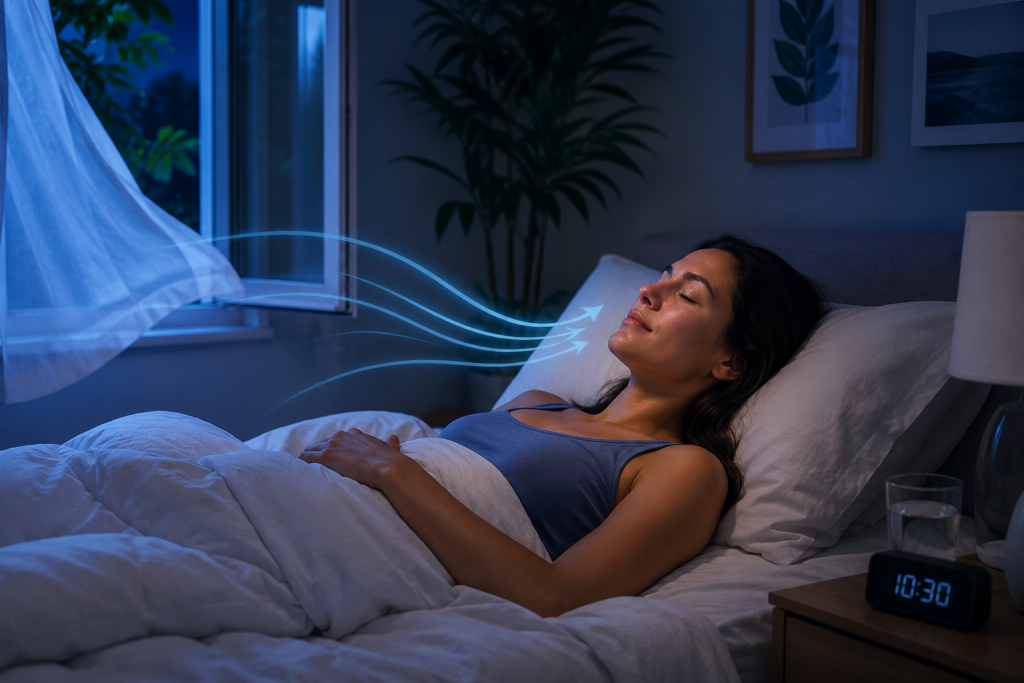
While we talked about the importance of not relying solely on a cold room, ambient temperature still plays a vital biological role through your breathing.
What The Science Says:
What The Science Says:
Exercise-Induced Core Spikes
What The Science Says:
What The Science Says:
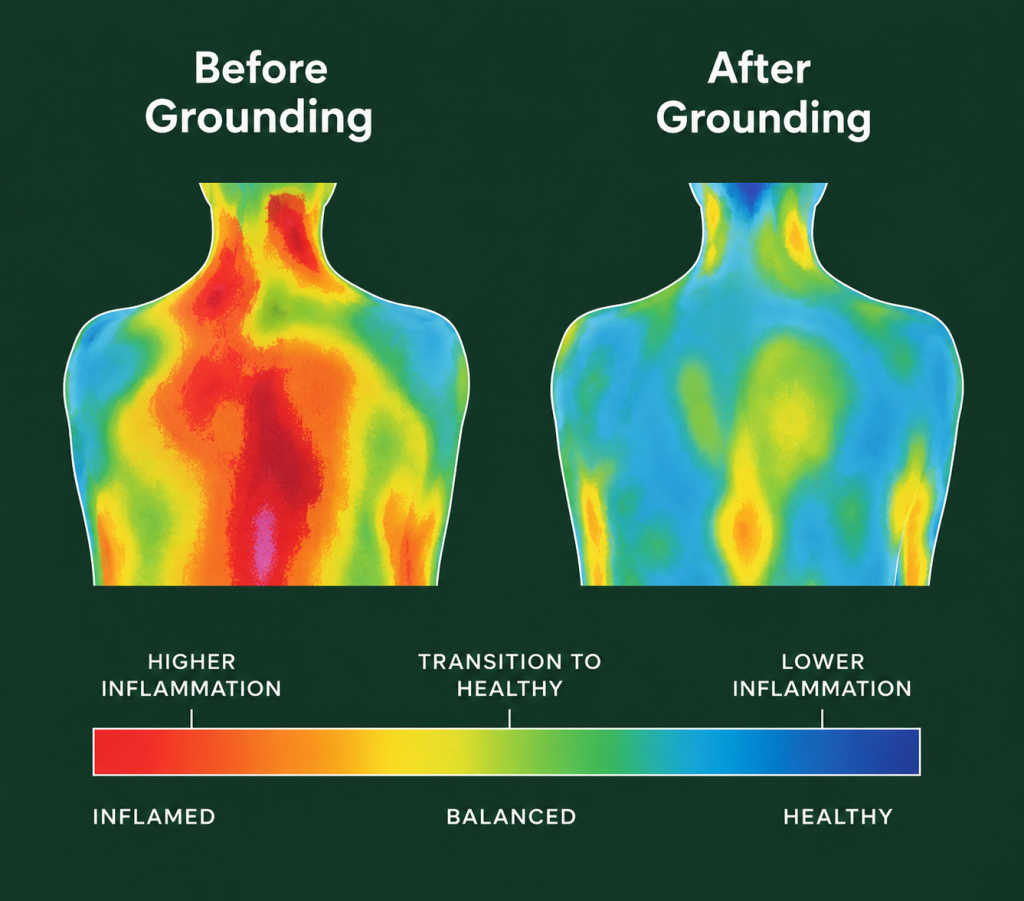
Neutralize "Hot Spots" of Biological Inflammation
Sometimes the heat keeping you awake is not coming from your room. It is coming from your physical stress.
When you have chronic pain, joint stiffness, or physical wear and tear, your body responds with inflammation. In the medical world, inflammation is synonymous with heat. If you look at an inflamed joint under a medical thermal imaging camera, it shows up as a bright red or white “hot spot.”
This is where sleeping grounded becomes a vital part of your cooling routine. When your skin connects to a grounding sheet, you absorb the Earth’s natural electrical charge. This influx of free electrons actively neutralizes the free radicals responsible for inflammation.
What The Science Says:
What The Science Says:
Lower Your Cortisol to Regulate Your Core
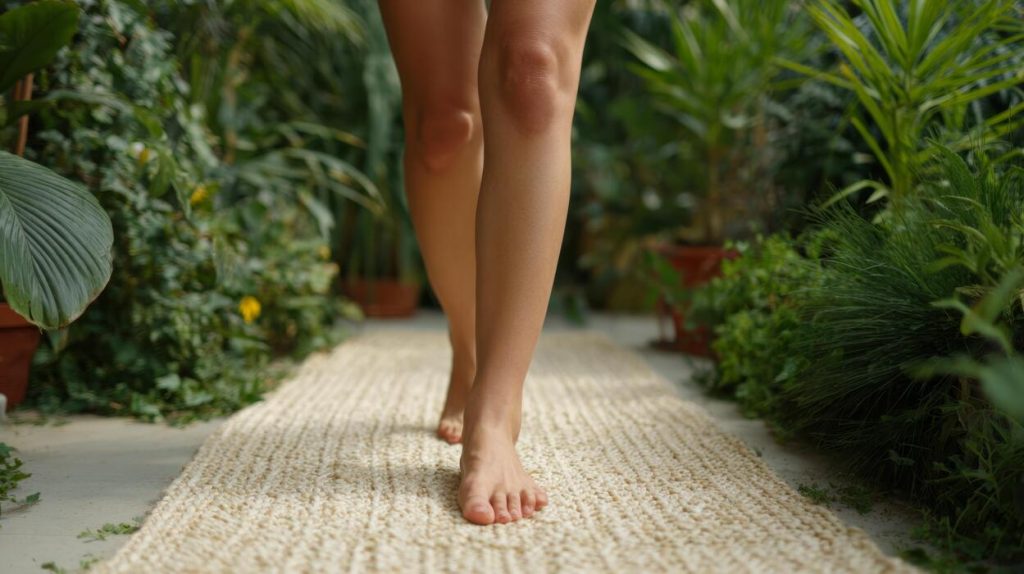
Your nervous system dictates your internal thermostat. When you are stressed, your body stays in a sympathetic “fight or flight” state. This keeps your heart rate elevated, your cortisol levels high, and your body temperature too warm for deep rest.
Reconnecting to the Earth’s charge helps shift your body out of “fight or flight” and into a parasympathetic “rest and digest” state. This biological shift allows your nervous system to relax so it can efficiently lower your core body temperature, seamlessly crossing the threshold into vital REM cycles.
What The Science Says:
What The Science Says:
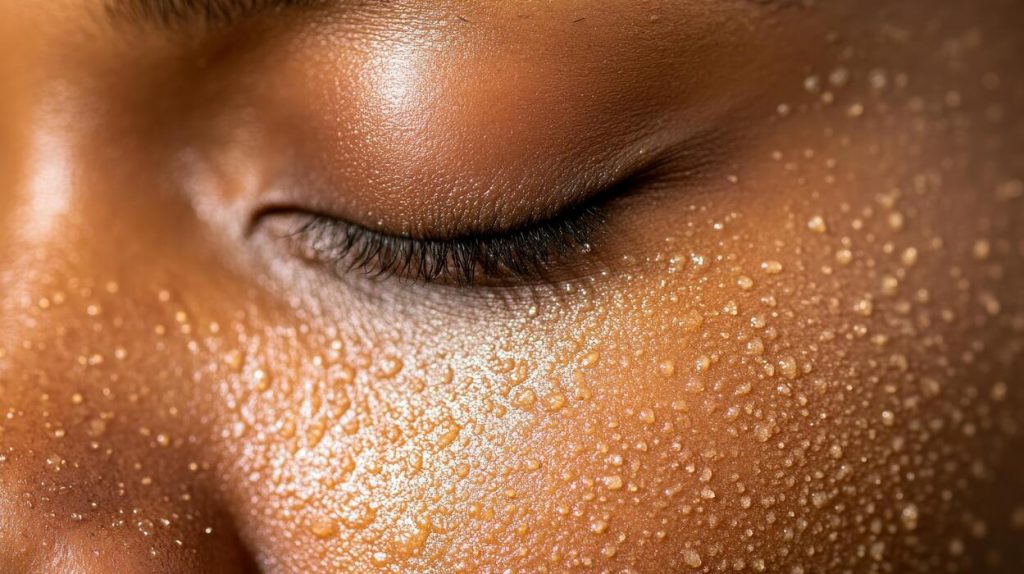
Evaporative Cooling (The Science of Sweat)
What The Science Says:
What The Science Says:
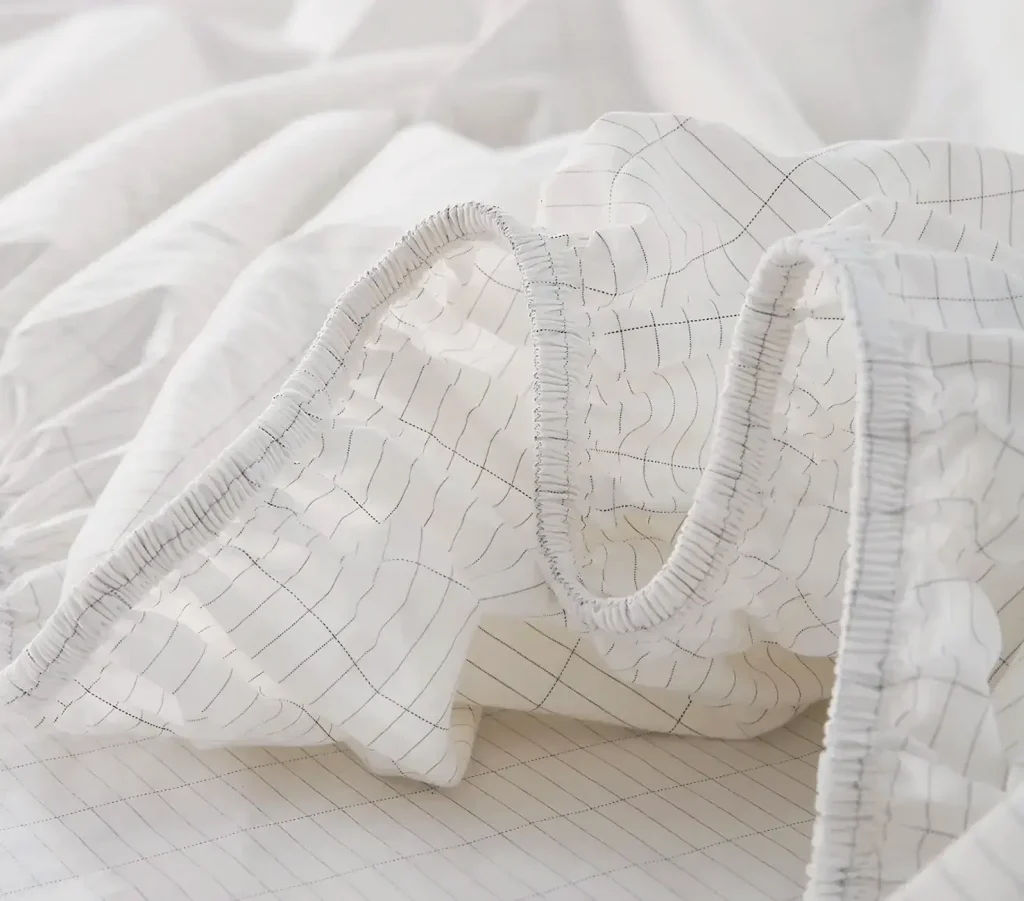
Utilize Thermally Conductive Materials (Like Silver)
The materials you sleep on dictate whether your body heat escapes or gets trapped. Synthetic fabrics like polyester trap moisture and heat against your skin.
Grounding sheets combine highly breathable natural cotton with an incredibly powerful cooling mechanism: pure silver thread. Silver has the highest thermal conductivity of any element on the periodic table. The grid of silver threads woven throughout BareEarth sheets acts as a high-efficiency heat dispersal system.
When your warm skin touches the silver, the threads actively pull excess body heat away from you and disperse it, keeping your bed feeling fresh all night long.

The Circulation Paradox: Why Warm Feet Help You Cool Down
There is one fascinating biological nuance that ties all of this together. While taking a warm shower and sleeping grounded both work to cool your core, they can actually make your hands and feet feel warmer.
Having warm extremities is a biological requirement for cooling your core. When the blood vessels in your hands and feet dilate and warm up, they release heat from your body into the surrounding air.
What The Science Says:
What The Science Says:
Explore the Clinical Research:
- Thermoregulation & Water Heating: Haghayegh, S., et al. (2019). Before-bedtime passive body heating by warm shower or bath to improve sleep: A systematic review and meta-analysis. Sleep Medicine Reviews.
- Inflammation & Thermography: Amalu, W. (2012). Clinical Earthing Application in 20 Case Studies.
- Cortisol & Sleep: Ghaly, M., & Teplitz, D. (2004). The biologic effects of grounding the human body during sleep. The Journal of Alternative and Complementary Medicine.
- Circulation & Blood Flow: Chevalier, G. (2014). Grounding the Human Body Improves Facial Blood Flow Regulation. Journal of Cosmetics, Dermatological Sciences and Applications.