
How to Get a Better Night's Sleep
Simple habits you can start tonight

Written by Natalie Brooks

Medical Review by Dr. Andrew Collins, MD
Written by Natalie Brooks
Reviewed by Dr. Andrew Collins, MD

Most people think sleep is just “resting with your eyes closed.” But it’s much more than that. Sleep is a vital biological process that keeps your body running smoothly—from regulating metabolism and hormones to recovering muscles and immunity.
Stick to a Consistent Sleep Schedule
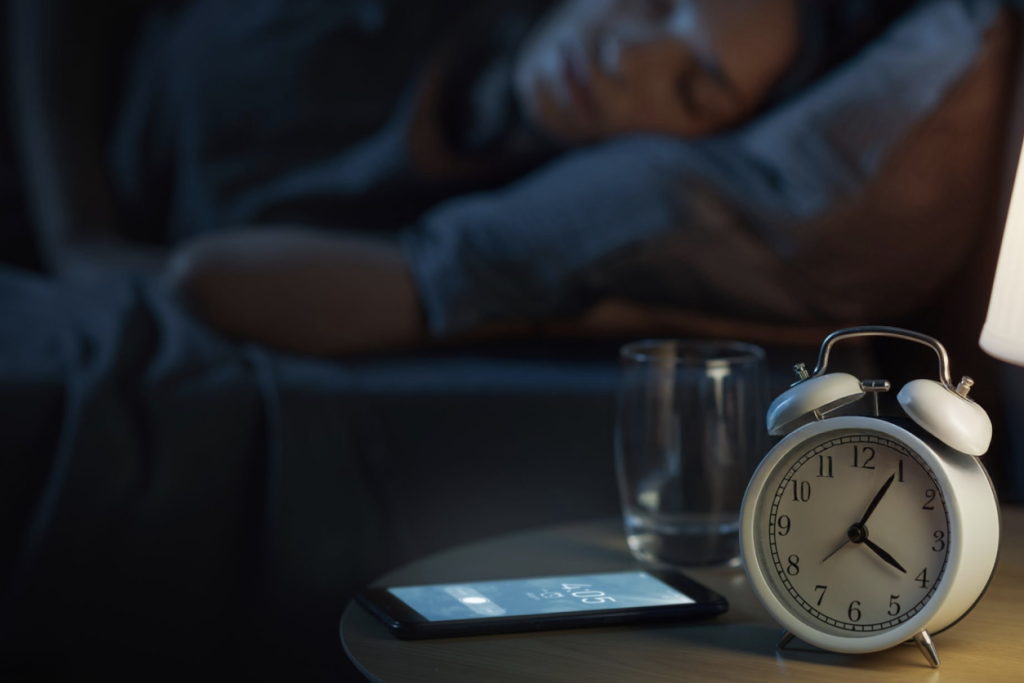
Your body runs on a 24-hour clock—consistency keeps it aligned
Our bodies follow a natural rhythm, our “circadian rhythm,” that regulates when we feel awake and when we feel sleepy. Research shows that irregular sleep timing can disrupt your quality of sleep and how alert you are throughout the day.
Read more about the circadian rhythm here!
Get your natural rhythm started tonight!
- Pick a fixed wake-up time (this matters more than bedtime)
- Count back 7-8 hours to set your bedtime and ensure you get the recommended amount of sleep
- Keep you schedule within 30 minutes, even on weekends
- Even if you sleep poorly, be sure to wake up at the same time
- Get some morning light exposure within 30-60 minutes to truly wake up your mind and body
- Pick a fixed wake-up time (this matters more than bedtime)
- Count back 7-8 hours to set your bedtime and ensure you get the recommended amount of sleep
- Keep your schedule within 30 minutes, even on weekends
- Even if you sleep poorly, be sure to wake up at the same time
- Get some morning light exposure within 30-60 minutes to truly wake up your mind and body
Build a Wind-Down Routine

You can't go from alert to asleep—your brain needs a buffer
Our brains need time to shift out of “day mode” and into “sleep mode.” Screens and stimulation keep the mind active when it should be slowing down. Research shows that blue-light exposure at night can suppress melatonin production by up to 50%, delaying sleep.
Read more about the use of devices before bed here, or check out this research on blue-light!
Set up your wind-down tonight!
- Set a wind-down alarm 30-60 minutes before bed
- Turn off or dim screen, or activate dark mode
- Do some low-stimulation activities like reading, stretching, or listening to soft music
- Keep your bedroom lighting soft and warm
- If you can, avoid stressful conversation or work before bed
- Set a wind-down alarm 30-60 minutes before bed
- Turn off or dim screens, or activate dark mode
- Do some low-stimulation activities like reading, stretching, listening to soft music
- Keep your lighting soft and warm
- If you can, avoid stressful conversations or work
What is melatonin?
A hormone produced by the brain that helps regulate your sleep-wake cycle by signalling when it’s time to feel sleepy.
What is melatonin?
A hormone produced by the brain that helps regulate your sleep-wake cycle by signalling when it’s time to feel sleepy.
Optimize Your Sleep Environment

Your bedroom should signal sleep, not stimulation
Our environment directly affects how deeply and consistently we sleep. Research suggests that cooler, darker environments support better sleep and fewer disruptions. Here’s a tip: if you’re finding that you routinely wake up kicking off your blankets, your room or bedding is likely too warm.
Want to read more? See how temperature is affecting your sleep quality here!
Create your perfect sleep environment tonight!
- Set your room temperature to 60–67°F (16–19°C)
- Use blackout curtains or reduce light as much as possible
- Minimize noise (or use a white noise machine if needed)
- Choose breathable bedding to avoid overheating
- It’s recommended to keep your room clutter-free and calming
- Set your room temperature to 60–67°F (16–19°C)
- Use blackout curtains or reduce light as much as possible
- Minimize noise (or use a white noise machine if needed)
- Choose breathable bedding to avoid overheating
- It’s recommended to keep your room clutter-free and calming
Keep An Eye On What You Eat and Drink

Small choices during the day can hugely impact your night
Caffeine and late night meals can interfere with our ability to fall asleep, even if we don’t feel it right away. Researchers found that caffeine can disrupt your sleep even when consumed six hours before bed. Plus, caffeine doesn’t just affect your ability to fall asleep, it also reduces your sleep quality.
Interested in the study? Keep reading here!
Start making those small changes tonight!
- Don't drink anything caffeinated 6-8 hours before bed
- Avoid heavy meals within 2-3 hours of bedtime
- Limit your alcohol intake—it can disrupt your sleep later in the night
- If you feel hungry, opt for a light snack instead of a full meal
- Don’t drink anything caffeinated 6-8 hours before bed
- Avoid heavy meals within 2-3 hours of sleep
- Limit your alcohol intake—it can disrupt your sleep later in the night
- If you feel hungry, opt for a light snack instead of a full meal
Train Your Brain to Associate Bed With Sleep

Your brain learns patterns—make your bed one of them
If our bed becomes a place for scrolling, working or watching TV, our brain stops linking it with sleep. Research shows that “stimulus control” improves sleep efficiency and is actually a core part of treating cases of insomnia.
Want to learn more about stimulus control? Keep reading here!
Start training your brain tonight!
- Use your bed only for sleep and intimacy
- Avoid phones, laptops, and TV in bed
- Go to bed only when you feel sleepy, not just tired
- Can't fall asleep after 20 minutes? Get up and do something by low light, then return
- Use your bed only for sleep and intimacy
- Avoid phones, laptops and TV in bed
- Go to bed only when you feel sleepy, not just tired
- Can’t fall asleep after 20 minutes? Get up and do something low light, then return